
Gusau Resigns: What Next for Nigerian Football?

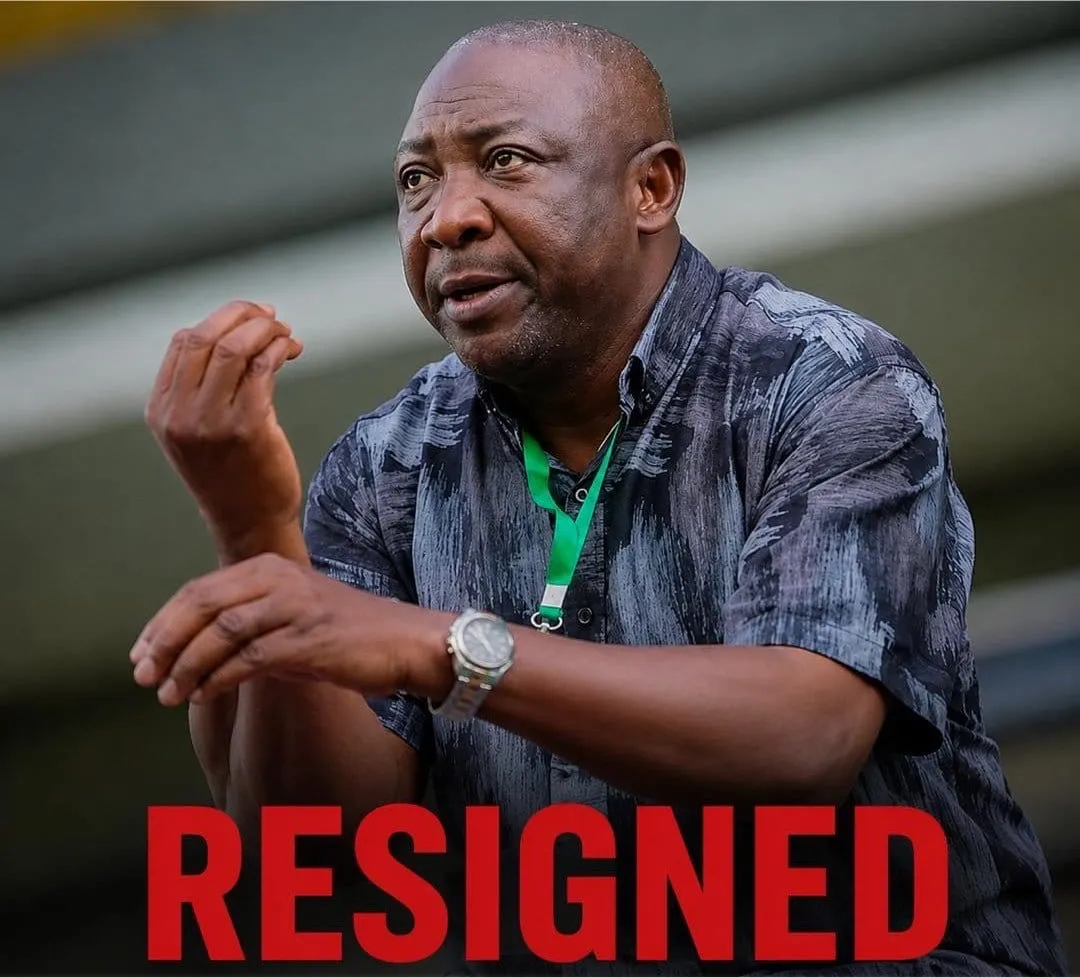
Nigerian football has been thrown into another period of uncertainty after Nigeria Football Federation president Ibrahim Musa Gusau announced his resignation. Gusau made the announcement in Abuja, bringing an end to his time at the head of the federation and immediately raising questions about the next phase of football administration in the country.
Explaining his decision, Gusau said “after consultation with family, friends and stakeholders, I just want to tell you that I have decided to resign my position.” He also revealed that he had advised members of his board to resign, signalling that the development could lead to a change within the NFF leadership.
The resignation comes against the backdrop of a difficult period for Nigerian football. The Super Eagles missed out on the 2026 FIFA World Cup, while the Super Falcons also suffered a major setback by failing to qualify for the 2027 Women’s World Cup. Those disappointments have intensified calls for a rethink of how Nigeria’s national teams are managed and how football decisions are made.
Gusau’s departure now creates an opportunity for a fresh approach. The next leadership will have to address several issues, from the preparation of the national teams and appointment of coaches to player welfare, funding, grassroots development and the relationship between the federation and other stakeholders. More importantly, there will be pressure to restore confidence among Nigerian football supporters.
Gusau leaves behind a federation facing major expectations and difficult questions. The next leadership will inherit not only an organisation to manage, but a football culture that needs renewed direction, transparency and confidence.
For Nigerian football, the real story begins after the resignation. The most important question is no longer simply who takes over, but what they do differently when they get there.