
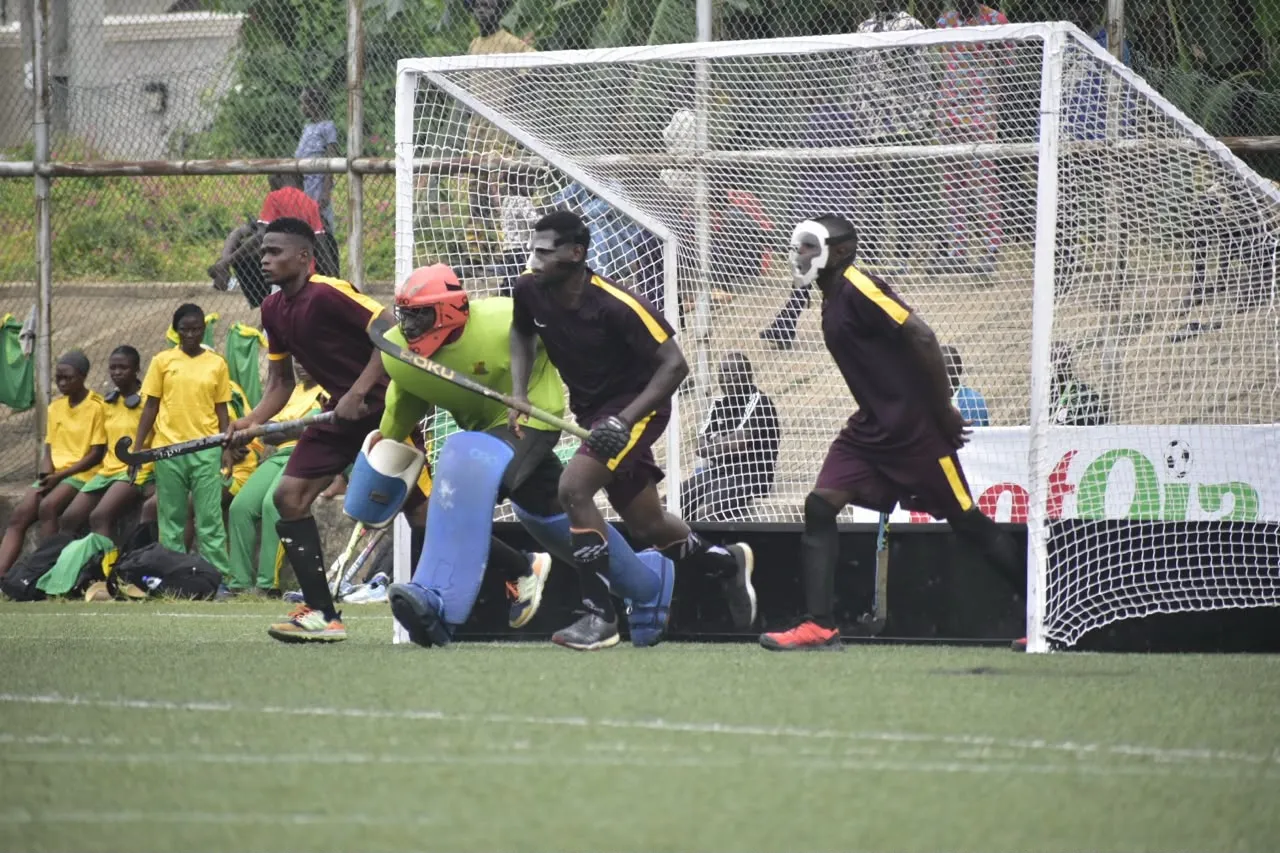
Hockey Omitted From 2026 National Sports Festival

Hockey has been excluded from the 23rd National Sports Festival scheduled to take place in Enugu later this year, with the sport missing from the list of disciplines selected for the zonal elimination series ahead of the Games.
Impact of Programme Reductions on the National Sports Festival
The National Sports Commission (NSC) officially confirmed its roster for the upcoming National Sports Festival in a letter released yesterday, identifying football, basketball, volleyball, beach volleyball, and cricket as the designated team sports for the zonal elimination series. Conspicuously missing from this lineup is hockey, a staple of previous editions that has now been excluded from the preliminary competitive phase.
This decision represents a significant departure from the 2025 National Sports Festival held in Ogun State, where hockey served as a core event for athletes representing various states. The shift in programming marks a notable change in the sporting landscape for the upcoming edition, leaving many regional teams to adjust their planning for the games.
While the National Sports Commission has yet to issue an official statement justifying the exclusion, reports suggest the decision is rooted in concerns regarding the current availability of tournament-standard hockey facilities in the host city of Enugu. Such infrastructure constraints appear to be a primary factor in the broader effort to streamline the sporting programme for the event.
This development has sparked significant concern within the national hockey community, as stakeholders increasingly question the logic of removing an established discipline from the country’s most prominent multi-sport gathering. Critics argue that the omission threatens to stall momentum for grassroots development initiatives that rely on the National Sports Festival to showcase and nurture emerging talent on a national stage.
For players and coaches, the National Sports Festival represents more than a competition. The Games provide an important platform for grassroots talent discovery, athlete development and preparation for national and international competitions. The absence of hockey could therefore limit opportunities for athletes hoping to use the festival as a pathway to higher-level competition.
The decision also comes as organisers move to significantly reduce the number of sports on the programme. The last two editions featured 39 sports, including demonstration events, but the 2026 edition is expected to have a much smaller programme.
Enugu State Commissioner for Sports, Lloyd Ekweremadu, said the decision to reduce the number of sports to 20 was reached during the National Council of Sports meeting held in Calabar, Cross River State, last year.
According to Enugu State Commissioner for Sports, Lloyd Ekweremadu, the intentional reduction of the event programme aligns with established international sporting practices, ensuring a more focused and manageable schedule. Despite these changes, Ekweremadu has reiterated that Enugu remains fully prepared and committed to hosting the 2026 National Sports Festival during the final quarter of the year, aiming to provide a high-quality experience for all participants.
For the national hockey community, however, the immediate concern remains the sport’s conspicuous absence from the official event programme and the long-term impact this decision could have on active athletes. The exclusion threatens to stall the momentum of grassroots development initiatives, which rely heavily on the visibility and competitive structure provided by such prominent multi-sport gatherings to identify and nurture young talent.
As preparations for the Enugu Games continue to gather pace, national focus will inevitably shift toward whether the National Sports Commission will issue further official clarification regarding the omission of hockey. Stakeholders are keen to understand the specific selection criteria used to finalise the schedule and whether there is any possibility for the sport to be reinstated into the final programme before the opening ceremonies commence.
Ultimately, this controversial decision has placed a significant spotlight on the difficult balance between the National Sports Commission’s desire to reduce the scale of the National Sports Festival and the urgent need to preserve vital development opportunities for athletes across all of Nigeria’s diverse sporting disciplines. The outcome of these discussions may well influence the future structure of the festival and its ability to serve as a comprehensive platform for the country’s broader athletic community.